


Most people believe they're already doing the healthy thing. They see "extra virgin olive oil" on a label, they buy it, they cook with it, and they assume they're getting all the benefits that decades of nutrition research keep promising ,lower inflammation, better heart health, protection for the brain and gut. But here's the uncomfortable truth: the effect that olive oil has on your body has almost nothing to do with the words printed on the bottle, and almost everything to do with how the olives were grown, harvested, pressed, and stored before that bottle ever reached your kitchen. Extra virgin olive oil isn't one single product. It's a spectrum, and where a bottle falls on that spectrum determines whether it's genuinely medicinal or whether it's doing you almost no good at all.
Why "Extra Virgin" on the Label Doesn't Mean What You Think
Extra virgin olive oil is, by definition, oil that has been extracted mechanically through pressing or centrifuging without the use of heat or chemical solvents, and that falls under a strict threshold of free fatty acid content (generally under 0.8%). In theory, this is a meaningful, protective label. In practice, it has become one of the most widely abused claims in the entire food industry. Investigations into olive oil supply chains have repeatedly found that a large share of oil sold as "extra virgin" on regular grocery shelves doesn't actually meet that legal or chemical standard by the time it's tested. Some of it is cut with cheaper, more neutral-tasting refined oils. Some of it starts out as genuine extra virgin oil but is made from olives that were bruised, overripe, or left sitting in bins for days before pressing, which begins the oxidation process before the oil is even extracted. And some of it is essentially old, degraded oil that has been chemically deodorised and re-blended with a small amount of real olive oil, just enough to legally use the word "olive" on the front of the bottle. This matters because oxidation and rancidity are not just about taste. Rancid oil doesn't just taste flat or slightly off it actively contains compounds that promote oxidative stress and inflammation in the body, which is the exact opposite of what people are buying olive oil for in the first place. So the very people trying to eat "clean" and reduce inflammation may be doing the opposite every time they drizzle oil from a bottle that looked healthy on the shelf but was already chemically compromised before it was opened.
The Smoke Point Myth That Won't Die
One of the most repeated pieces of kitchen advice is that you shouldn't cook with olive oil because it has a "low smoke point" and breaks down into harmful compounds when heated. This idea is largely a myth, and it's worth understanding why it persists. High quality extra virgin olive oil actually has a smoke point in the range of roughly 180 to 210 degrees Celsius (350 to 410 Fahrenheit), which comfortably covers the vast majority of home cooking methods ,sautéing, roasting, pan-searing, even most baking. It is genuinely one of the more heat-stable oils available, in large part because of its high concentration of monounsaturated fat and its natural antioxidant content, both of which help protect it from breaking down the way more delicate polyunsaturated oils (like many seed oils) do under heat. The confusion comes from the fact that a lot of the oil people are actually cooking with isn't high quality to begin with. Oil that's already oxidized, old, poorly stored, or diluted with lower-grade oils will break down faster and smoke sooner, reinforcing the idea that "olive oil can't handle heat." But that's a reflection of the oil's condition, not a fundamental property of genuine extra virgin olive oil itself. In other words: it's not that you can't cook with olive oil. It's that you can't cook with bad olive oil and expect good results and unfortunately, a lot of what's on the shelf is quietly bad before it even leaves the store.
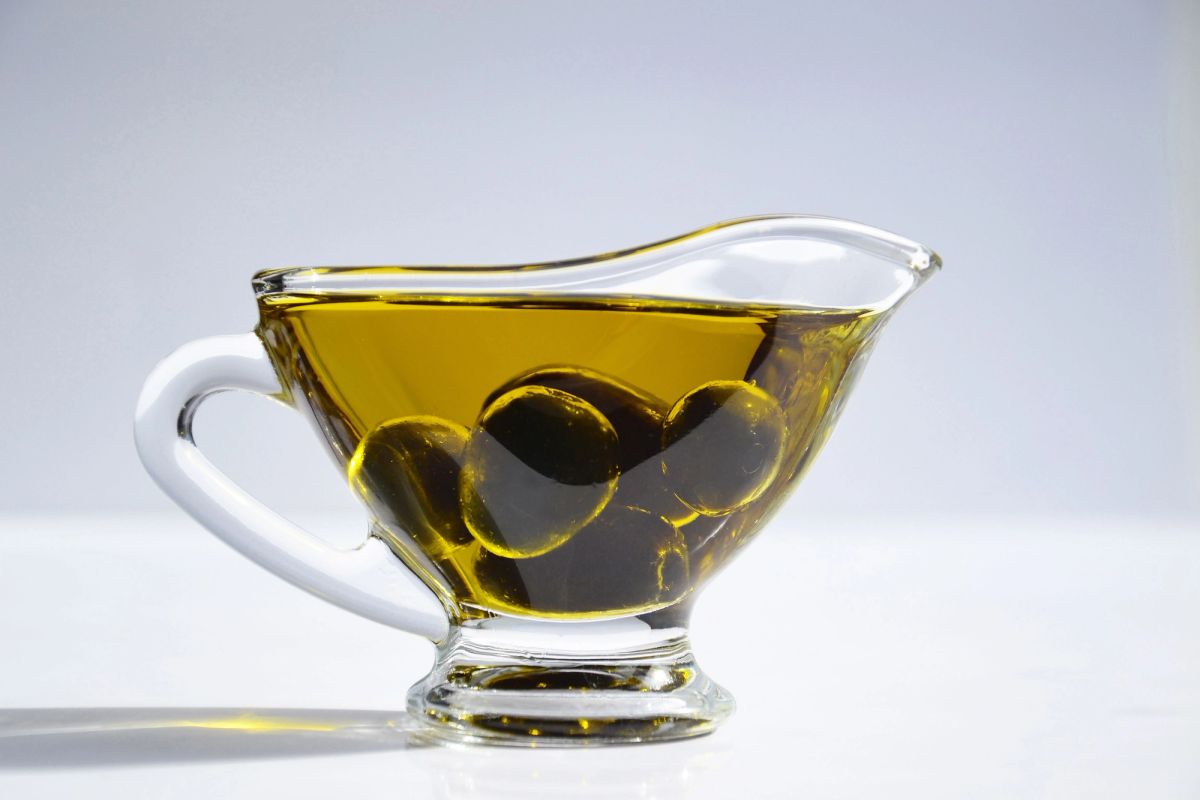
What Actually Makes Olive Oil "Good": Polyphenols
The real story of why extra virgin olive oil earned its reputation as a near-medicinal food comes down to a group of plant compounds called polyphenols. These are the antioxidant, anti-inflammatory compounds naturally present in olives, and they're responsible for much of the research linking olive oil consumption to lower rates of heart disease, improved cholesterol markers, reduced inflammation, and even neuroprotective effects. Polyphenol content is also directly responsible for the flavour characteristics that people often mistake for a flaw: bitterness and a peppery, throat-catching sensation. A really high-quality, fresh extra virgin olive oil should have noticeable bite and bitterness. That sharpness at the back of your throat is not a defect it's essentially a taste-test for antioxidant content.
This is why a smooth, mild, almost flavourless olive oil should raise suspicion rather than feel reassuring. Mildness usually signals one of a few things: the olives were harvested later in their ripening cycle when polyphenol levels naturally drop, the oil has oxidised and lost its potency over time, or it has been blended down with a more neutral, lower-quality oil. Genuine, robust, early-harvest extra virgin olive oil is almost never mild. It should make you cough a little. Harvest Timing Changes Everything
Here's where the story gets more nuanced, and it's the single biggest factor separating an average bottle from an exceptional one: when the olives were picked. Olives ripen from green to black over the course of the harvest season, and their chemical composition changes dramatically as they ripen. Olives picked early, while still green and slightly underripe, yield oil that is lower in volume but dramatically higher in polyphenols, more intensely flavoured, more bitter, and more stable against oxidation over time. Olives picked later, once they've turned darker and softer, yield more oil per olive which is more profitable for large-scale producers but that oil is milder, lower in protective compounds, and generally shorter-lived before it starts to degrade.
Most mass-market olive oil is optimized for yield, not for polyphenol content or flavour intensity, which is a big part of why grocery store oil so often tastes bland and doesn't behave the way "medicinal" olive oil is supposed to. This is also why harvest date matters so much more than most people realize , arguably more than the expiration date printed on the bottle. An expiration date just tells you when a company estimates the oil will no longer be sellable. A harvest date tells you how fresh the oil actually is relative to when it was made, which is a far more meaningful marker of quality, because unlike wine, olive oil does not improve with age. It only degrades from the moment of pressing onward.
Time Between Harvest and Pressing Matters Almost As Much
Even with perfectly timed, high-quality olives, the clock starts ticking the moment they're picked. Olives are a fruit, and like any fruit, they begin to oxidize and ferment as soon as they're separated from the tree. The gold standard in high-quality production is pressing within hours of harvest ideally the same day. When olives are left sitting in crates or bins for days before they're processed, which is common in large-scale, lower-cost operations, oxidation and microbial degradation begin before the oil is even extracted, meaningfully lowering both the quality and the shelf life of the final product regardless of how good the olives were to start with. Storage and Light Exposure: The Damage That Happens After You Buy It
Even a genuinely excellent bottle of oil can be ruined after purchase, and this is one of the most overlooked parts of the conversation. Olive oil is highly sensitive to light, heat, and oxygen, all of which accelerate the breakdown of its beneficial compounds and push it toward rancidity. This is precisely why so much oil sold in clear glass bottles, sitting for weeks under bright store lighting near a hot stove display or a sunny window, is already partially degraded by the time it reaches a customer's cart regardless of how good it was when it was bottled. Dark glass or tin packaging exists for a real, functional reason: it blocks the light that would otherwise slowly destroy the oil's polyphenol content.
The same principle applies once the bottle is in your kitchen. Oil stored next to the stove, in direct sunlight, or in a warm cabinet will degrade noticeably faster than oil stored in a cool, dark pantry. And once opened, oil is exposed to oxygen every time the bottle is used, which means it has a practical shelf life of a few months of regular, high-quality flavour and potency ,not the year or more that many people assume, based on the distant "best by" date on the label.
So How Do You Actually Choose a Good Bottle?
Putting all of this together, a genuinely high-quality extra virgin olive oil tends to share a specific set of characteristics, and learning to look for them turns grocery shopping from guesswork into an informed decision.
Look first for a harvest date rather than relying solely on an expiration date , this tells you how fresh the oil genuinely is. Favour oils in dark glass or tin over clear glass, since packaging is one of the simplest predictors of how well the oil has been protected from light damage. Single-origin oils, where the olives come from one region or even one estate rather than being blended from unspecified sources across multiple countries, tend to offer far more traceability and far less opportunity for dilution or mislabeling along the supply chain , this is also why country-of-origin blends with vague sourcing are worth treating with some skepticism. And trust your palate: real, fresh, high-polyphenol oil should taste a little bitter and should produce a peppery catch at the back of your throat. If a bottle tastes completely smooth and neutral, that's more likely a sign of age, poor storage, or dilution than of quality.
Once you've found a good bottle, protect it the way you'd protect any perishable, nutrient-dense food: keep it in a cool, dark cupboard away from the stove, keep the cap tightly sealed to limit oxygen exposure, and try to use it within a few months of opening rather than letting it sit for a year. And don't be afraid to actually cook with it. The evidence is clear that good-quality extra virgin olive oil holds up well to normal home cooking temperatures, and avoiding it in favour of more processed, more oxidation-prone seed oils out of a misplaced smoke-point fear is, if anything, working against the very goals , lower inflammation, better metabolic health — that led people to reach for olive oil in the first place.
The Bottom Line Extra virgin olive oil deserves its reputation as one of the most researched, most protective foods in the world but only when it's genuinely high quality, and quality is not something a label can guarantee on its own. It's determined by a whole chain of decisions made long before the oil reaches a shelf: when the olives were picked, how quickly they were pressed, how the oil was packaged, and how it was stored from the moment of production all the way to your kitchen counter. The myth was never that olive oil is bad for you. The myth is that all olive oil is the same and once you understand what actually separates a mediocre bottle from an exceptional one, buying well becomes a lot less confusing, and a lot more effective.