

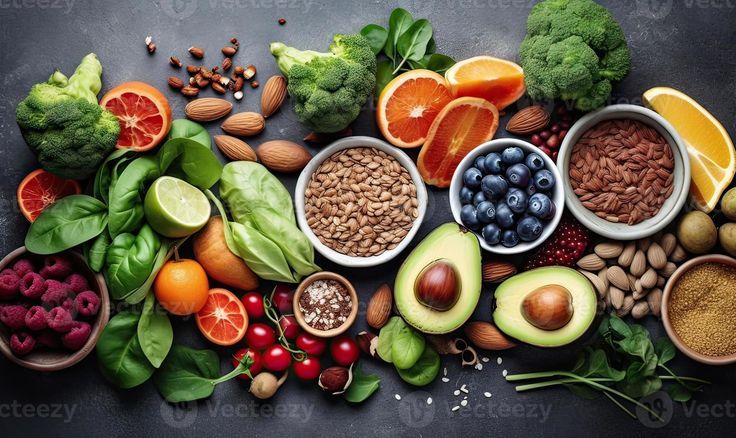
Introduction
In a world where carbs rule, proteins take center stage, and vegetables often find themselves relegated to the sidelines, there’s one nutrient that’s frequently overlooked—fiber. While it might not come with flashy advertising or viral diet trends, fiber plays a crucial role in maintaining good health and preventing a range of chronic health issues. Let’s dive into why fiber deserves more recognition and how it can improve your overall well-being, based on the latest research and case studies.
Why Is Fiber So Important?
- Fiber Balances Blood Sugar Levels One of the most well-researched benefits of fiber, particularly soluble fiber, is its ability to regulate blood sugar. According to recent studies, fiber slows the absorption of sugar into the bloodstream, which helps prevent dangerous sugar spikes that can lead to conditions like Type 2 diabetes.
In fact, research published in The Lancet (2021) shows that for every 10-gram increase in daily fiber intake, the risk of developing Type 2 diabetes drops by about 19%. This is because fiber helps reduce insulin resistance—a key factor in developing diabetes.
Case Study: Jane’s Story Consider the case of Jane, a 45-year-old woman with a family history of diabetes. Despite her healthy weight and exercise routine, her blood sugar levels were climbing steadily. After working with a nutritionist, Jane increased her fiber intake by incorporating more vegetables, beans, and whole grains into her diet. Within a few months, her blood sugar levels stabilized, and she significantly reduced her risk of diabetes.
- Fiber is Crucial for Healthy Digestion You’ve probably heard the phrase “fiber keeps you regular,” and that’s not just a catchy slogan—it’s true. Fiber aids in proper bowel function by adding bulk to stool and promoting smoother passage through the intestines. It also helps prevent constipation by pulling water into the intestines, making stools softer and easier to pass.
A study from Harvard T.H. Chan School of Public Health (2022) found that individuals with a high-fiber diet are 40% less likely to experience constipation compared to those with a low-fiber diet. Not only does fiber promote regularity, but it can also alleviate symptoms of Irritable Bowel Syndrome (IBS) and other gastrointestinal disorders.
- Fiber Reduces Inflammation and Lowers Cholesterol Inflammation is a root cause of many chronic diseases, from heart disease to cancer. The soluble fiber in foods like oats, barley, and legumes has been shown to have anti-inflammatory properties, helping to reduce the overall burden of inflammation in the body.
Moreover, fiber is instrumental in lowering cholesterol levels. It binds to bile acids in the digestive tract, which helps lower LDL (bad) cholesterol and reduces the risk of cardiovascular disease. According to the American Heart Association (2023), increasing dietary fiber can lower LDL cholesterol by up to 10%.
- Weight Management and Appetite Control Here’s a fun fact: fiber helps you feel fuller for longer. Foods rich in fiber tend to have a low calorie density, meaning they provide fewer calories but more bulk. This makes fiber-packed meals more satisfying, reducing the temptation to snack and helping you maintain a healthy weight.
A 2021 study published in Obesity Reviews found that individuals who consume 30 grams or more of fiber per day are more likely to maintain a healthy weight over time. The research shows that fiber delays stomach emptying and slows digestion, keeping hunger pangs at bay.
- Fiber and Gut Health: The Microbiome Connection One of the most exciting areas of fiber research today is its role in supporting gut health. A healthy gut microbiome is key to overall well-being, and fiber is the primary fuel source for beneficial gut bacteria. When these bacteria ferment fiber, they produce short-chain fatty acids (SCFAs), which promote a healthy gut environment and reduce inflammation.
Studies have shown that fiber-rich diets can promote the growth of beneficial bacteria like Bifidobacterium and Lactobacillus, which play a protective role against diseases such as colorectal cancer. In fact, a 2020 study in Cell Host & Microbe found that a diet high in fiber could reduce the risk of colon cancer by up to 25%.
The Statistics You Need to Know
Let’s make the science more relatable with some hard-hitting numbers: According to the Centers for Disease Control and Prevention (CDC), only 9% of Americans meet the daily fiber intake recommendations of 25–38 grams. A study in JAMA Internal Medicine (2023) found that for every 10 grams of dietary fiber consumed daily, the risk of death from cardiovascular diseases dropped by 15%. A review published in The British Medical Journal (2022) concluded that a high-fiber diet can reduce the risk of stroke by 7% for every 10-gram increase in daily fiber intake. Fiber and Chronic Health Issues: A Powerful Ally Let’s look at some real-world examples of how fiber can impact chronic health issues:
Diabetes
As mentioned earlier, fiber helps balance blood sugar levels, reducing the risk of Type 2 diabetes. A 2019 meta-analysis found that people who consumed more fiber had a 14% lower risk of developing Type 2 diabetes over time.
Heart Disease
With its ability to lower cholesterol and reduce inflammation, fiber is a powerful tool in preventing heart disease. The American Heart Association states that increasing fiber intake by just 5–10 grams per day can reduce your risk of heart disease by up to 25%. Cancer Prevention: Fiber helps to reduce the risk of several cancers, especially colorectal cancer. Studies have shown that individuals who eat a diet high in fiber have a 20%–40% lower risk of developing colorectal cancer.
How to Boost Your Fiber Intake Now that you understand why fiber is so important, how can you add more of it to your diet? Here are some easy ways:
Eat More Vegetables
Aim to fill half your plate with vegetables at each meal. Opt for a variety of colors and types to maximize fiber intake. Whole Grains: Switch out refined grains for whole grains like quinoa, brown rice, oats, and barley.
Legumes and Beans
These are fiber powerhouses. Add lentils, chickpeas, or black beans to your salads, soups, or stews. Fruits: Many fruits are rich in fiber, especially those with edible skins like apples, pears, and berries.
Conclusion: Fiber—The Key to Unlocking Better Health
Fiber is not just a “nice-to-have” nutrient; it’s a critical component of a healthy diet that plays a role in managing blood sugar, reducing cholesterol, promoting healthy digestion, and even fighting inflammation. The best part? Fiber is a natural, cost-effective, and delicious way to take control of your health.
So, the next time you’re thinking about your meals, remember to include fiber-rich foods. Your body will thank you with better energy, improved digestion, and a reduced risk of chronic diseases.
By embracing the power of fiber, you’re not just eating better—you’re investing in your long-term health. So go ahead, load up your plate with colorful vegetables, beans, and whole grains—and start feeling the benefits today!